

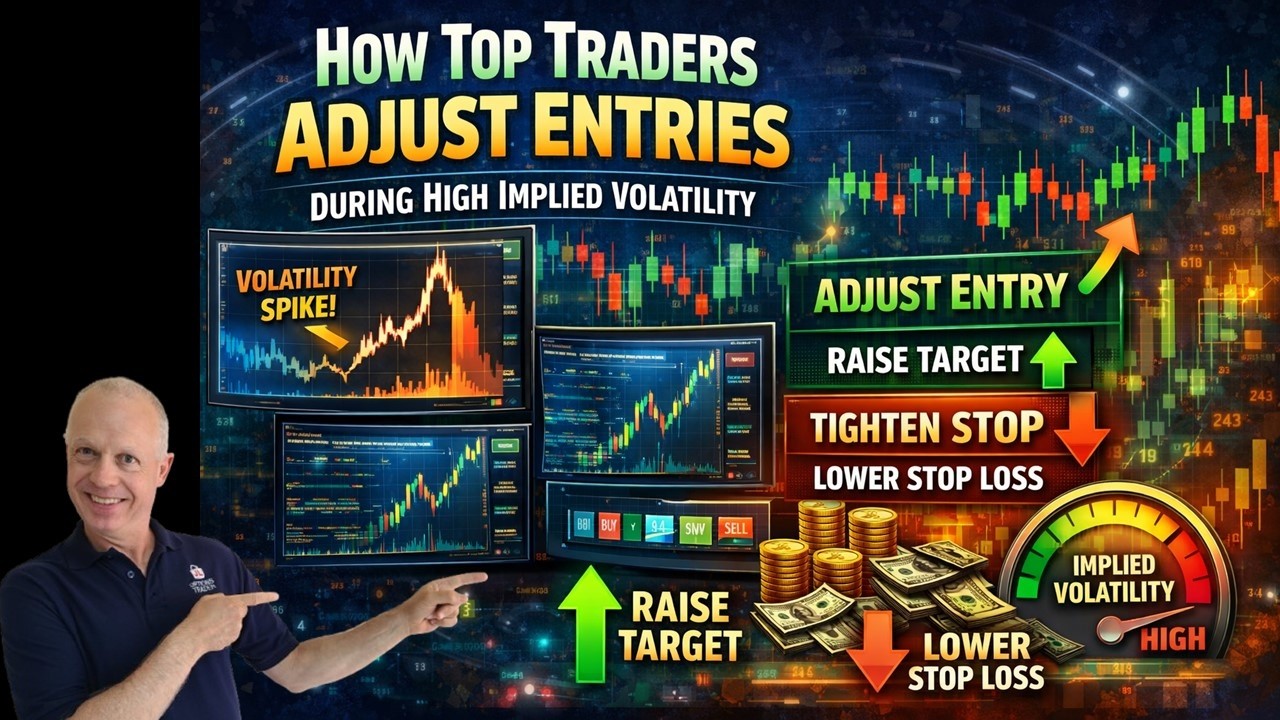
Discover practical, rules-based trade management guidance from John Locke on making smarter entry decisions, managing Implied Volatility (IV), and executing adjustment procedures. This post distills the video into actionable steps for options traders who want to improve risk-reward and trade execution.
Click here or on the video below to learn more!
Subscribe: YouTube
Subscribe: Soundcloud
Known Information Drives Entry Decisions
Focus your trading based on known information: price action, IV structure, Delta exposure, support/resistance, and time frame. If you don’t understand how a factor affects your trade, don’t use that factor be subjective — learn the dynamic or avoid using on it.
Entry Configurations & When to Change Them
- Standard entries: broken-wing butterflies (e.g., M3.4U), defined spreads, calendars.
- Drastic swaps: switching from an M3.4U to a plain call when short-term conditions (oversold + strong support) make directional exposure preferable.
- Practical rule: choose the configuration that matches market context (IV, trend, support, and time frame).
Examples of Entry Adjustments
- High IV environment + market down → risk of excessive negative Delta on standard M3.4U. Solution: widen upper wing or change strike widths to stay within Delta limits while avoiding adding upside risk.
- Low, grinding IV → standard structures can be costly; consider shortening wings to reduce premium outlay and directional risk.
- Front-cycle IV spikes often reflect near-term risk; decide whether it’s a short-lived front-cycle event or a wave that will extend into back cycles.
Implied Volatility — What Matters for Your Trade
- Only IV relevant to your chosen expiration matters. Front-cycle IV can spike without affecting longer-dated cycles.
- Front-cycle IV behavior often signals what large market players are positioning for in the short term (put buying, call selling).
- When IV is high: consider opportunistic entries, increasing position size, calendars, or using IV-rich structures to your advantage.
How IV Waves Work (Practical View)
- Short-lived news-driven IV spikes: typically hit front expirations hard and first and then dissipate, leaving the impact on back cycles relatively low.
- Systemic or prolonged events (geopolitical conflict, major economic shocks) more likely propagate IV deep into back cycles and dramatically affect 60-day+ expirations.
Delta & Position Management
- Monitor Delta limits at entry: adjust wings or strikes if initial Delta is outside your guideline.
- Consider position health and time to expiration when deciding adjustments.
- Have an initial adjustment procedure: a pre-defined plan of what you’ll do if price or IV moves against you.
Consider adjusting your approach when:
- New information materially changes your risk-reward profile.
- IV spikes present favorable entry or sizing opportunities.
- Position health and remaining time allow for effective repairs.
Consider exit when:
- The trade no longer matches your risk-reward targets.
- You hit pre-defined stop or adjustment thresholds.
- Market dynamics shift beyond the scenario you planned for.
Quick Trade Checklist (Actionable)
- Define time frame and target expiration before entry.
- Check IV on the specific expiration cycle you’ll trade.
- Verify Delta and cost of trade is within limits; tweak wings/strikes if needed.
- Set initial adjustment procedure and exit rules.
- Re-evaluate when situation changing information enters the market.
Trading should be influenced by the specific, known market information relevant to your expiration and position. Use IV, Delta, and position health to choose entry configurations and predefine adjustments so you can act decisively when new information arrives.
Like this breakdown?
Watch the full video for real trade examples and subscribe for more options strategies.












Leave a Reply
You must be logged in to post a comment.