

Trading isn’t just about your system — it’s about self-control. Many traders lose not because their strategy fails, but because they can’t follow their own rules. The difference between an amateur and a professional is simple: discipline, the primary focus of Stages 1 and 2 in our Trader Success Blueprint!
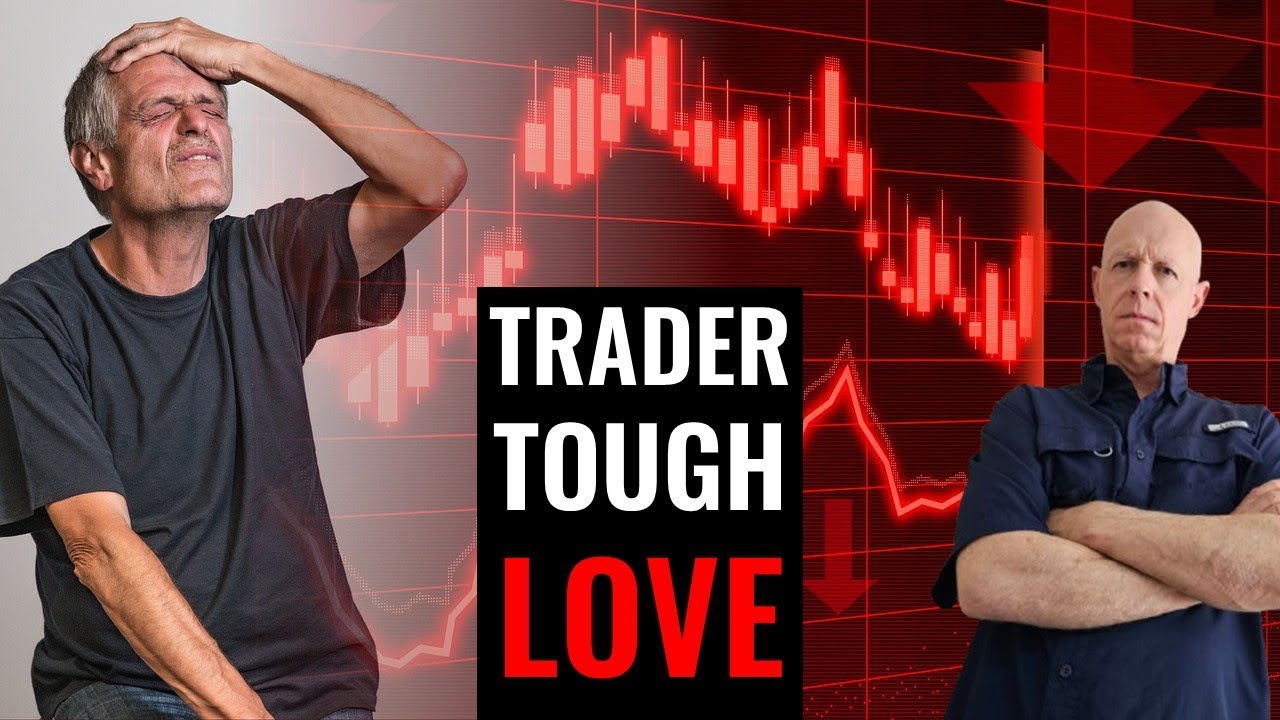
If you’re serious about long-term success, click here or on the image below to check out our Trader Tough Love video.
Subscribe: YouTube
Subscribe: Soundcloud
⚖️ Break the Rules Once, You’re Done
One rule violation can destroy months of progress. When a trader breaks their rules — no matter how minor — the correct response is to step away immediately. Whether for a day, a week, or a month, the consequence must be enforced.
“You break your rule one time, you are done.”
This kind of tough love builds accountability. Trading without discipline is gambling, not investing.
💼 Treat Trading Like Employment, Not Entertainment
If someone’s funding a trader who lacks control, they’re part of the problem.
“You’re enabling him to trade poorly — and it’s costing you.”
Just like an employer wouldn’t tolerate rule-breaking staff, a funder shouldn’t tolerate emotional or impulsive trading. Demand:
- Proof of consistent, rule-based results
- At least a week of paper trading with strict adherence to the system
- Gradual scaling only after verified consistency
No discipline, no capital — that’s the deal.
🧘 The Power of Emotional Control in Trading
Every trader faces losses, frustration, and anger. The goal isn’t to become emotionless, but to manage emotions constructively.
“If every time you got angry, I chopped your finger off — you’d stop showing anger after a couple of fingers.”
While the metaphor is extreme, the principle stands: create meaningful consequences for emotional breakdowns. When you do, discipline becomes automatic.
🧩 NLP and Self-Awareness: Tools for Better Trading Discipline
Neuro-Linguistic Programming (NLP) can help traders reframe emotional reactions, build self-awareness, and strengthen follow-through. Click here to learn where a trader can get more help!
But even with NLP, self-responsibility is key. A disciplined trader:
- Admits mistakes without self-blame
- Pauses after breaking rules
- Reflects before returning to the market
- Respects limits and risk parameters
Want to learn more about mindset techniques? Explore Stock Market Emotions video for additional strategies.
💬 Responsibility Creates Confidence
There’s no shame in stepping away when emotions run high — it’s a sign of maturity.
“If I break my rules, I’m done. Until I can prove I can follow them, I have no business trading.”
Self-regulation leads to self-respect, and self-respect leads to better decisions. Over time, discipline creates confidence, and confidence compounds like capital.
🏁 Final Thoughts: Accountability Is the Ultimate Trading Edge
The markets will always test you. Your system might evolve, your rules may warrant change from time to time but following your rules and discipline must remain constant.
Trading success doesn’t come from emotionless robots — it comes from self-aware humans who act with integrity under pressure.
So the next time you feel tempted to bend your rules, remember:
👉 Discipline isn’t punishment — it’s protection.
For an external deep dive, see Investopedia’s Guide to Risk Management for Active Traders for a professional overview of capital protection and trader psychology.












Leave a Reply
You must be logged in to post a comment.